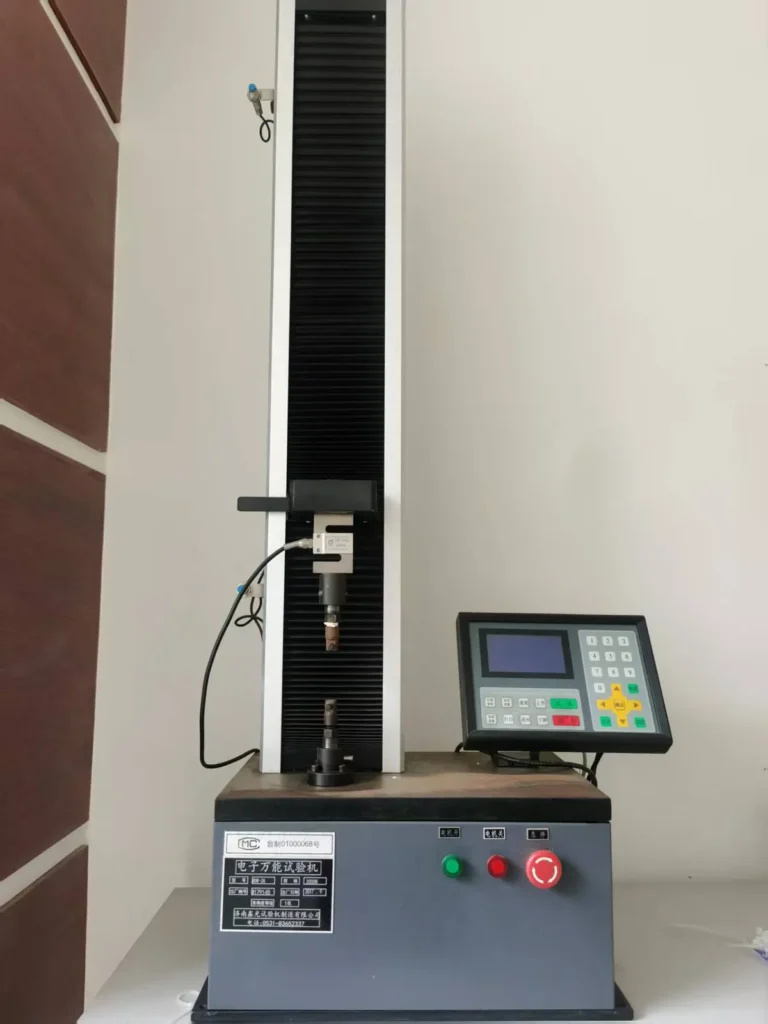
Why tensile strength matters
For common wire bundling, a standard nylon cable tie may be enough. For heavy cable bundles, outdoor installation, automotive harnesses, or industrial equipment, buyers should confirm the width, length, material, and tensile strength before ordering.
A cable tie that is too narrow may break during installation or service. A cable tie that is oversized may increase cost and make installation less efficient. The right model balances strength, flexibility, and budget.
What affects cable tie strength?
- Material grade, such as PA66, PA12, PA46, or special engineering plastics.
- Width and thickness of the cable tie body.
- Tooth structure and head locking design.
- Moisture content and storage conditions before use.
- Working temperature, UV exposure, and chemical environment.
How buyers should specify requirements
When requesting a quotation, provide the bundle diameter, expected load, installation environment, color, material preference, and certification requirement. If the product will be used in cold, hot, outdoor, or chemically exposed environments, mention this clearly before sample confirmation.
For project orders, samples and testing reports can help verify whether the selected product meets application needs. Haitai can support model recommendation, testing discussion, packaging options, and documentation for applicable products.